Leading Project Management Professional (PMP) Certification Partner for PMI
Pass the PMP exam on the first try
Earn 35 PDUs | 12 Simulation Assessments | 2000+ Premium Questions
Increase Your Project Management Game with Generative AI
Cheat Sheets| Exam Pass Study Plan
Guaranteed to Run 30+ Live Cohorts in the Next 90 Days
Premier Authorized Training Partner
Toturon's PMP training program encompasses fundamental subjects vital for a project management professional. It addresses areas such as emerging trends, innovative technologies and methodologies, as well as the essential competencies expected from a project manager. By focusing on strategic and business acumen, the course further emphasizes the significance of a project manager's role.
Our training course comes with a 100% exam pass guarantee. Centuera believes in our highly effective blended learning methodology and its ability to provide learners with the knowledge and confidence to pass the PMP exam in the first attempt. If you do not clear the PMP exam on the first attempt, we will refund the course fee to you.
100% money-back guarantee*
No questions asked refund*
At Centuera, we value the trust of our patrons immensely. But, if you feel that a course does not meet your expectations, we offer a 7-day money-back guarantee. Just send us a refund request via email within 7 days of purchase and we will refund 100% of your payment, no questions asked!
Advance and Maintain Your Edge with 35 Contact Hours of Engaging, Live Virtual Education
Revolutionize Project Management Using AI by Participating in Exclusive Masterclasses Focused on Generative AI
Take the Lead in Project Management with India’s Largest PMI Partner
Acquire Practical Experience Through 12 Simulations, Over 500 PMI-Exclusive Questions, and a Question Bank Exceeding 1500 Items
Access to the Cheat Sheet, Study Plans, and Expert Support for Exam Applications
24/7 Course Support
Structure of work breakdown
Charts of Gantt
Estimation of project costs
Economics in engineering
Allocation of resources
Mathematical models for project scheduling
Management of costs • Leadership
Tailor the educational model to fit your team's requirements
Access digital resources, instructor-led training, or a combination of both
Obtain flexible pricing plans that cater to your company's specifications
An easy-to-use and engaging Learning Management System (LMS)
A comprehensive dashboard for individual learners or groups
Continuous learner support and assistance available around the clock
The PMP® certification is a crucial professional credential for senior project manager positions in every industry. This course is ideally designed for: Project Managers, Associate/Assistant Project Managers, Team Leads/Team Managers, Project Executives/Project Engineers, Software Developers, and any professional aiming to become a Project Manager.
No prior knowledge or experience is required to attend Toturon’s PMP Certification Training. To qualify for the PMP exam, you should either have:
High school or secondary school diploma
Minimum 60 months/5 years of experience leading and managing projects within the past eight years
35 hours of project management education/training OR
Bachelor's degree or higher (or global equivalent)
36 months/3 years of experience leading and managing projects within the past eight years
35 hours of project management education/training
Section 01: Course Introduction
Section 02: The Big Picture
Section 03: Stakeholders, Vision, and Communication
Lesson 01: Identifying and Understanding Stakeholders
1.01 Identifying Stakeholders
1.02 Analyzing Stakeholders
1.03 Categorizing Stakeholders
1.04 Identifying Stakeholders’ Expectations
1.05 Identifying Internal and External Customer Expectations
Lesson 02: Developing a Common Vision
2.01 Ensuring a Shared Vision With Key Stakeholders
2.02 Promoting the Shared Vision
2.03 Keeping the Project Vision Current
2.04 Break Down Situations to Identify the Root Cause of a Misunderstanding of the Project Vision
Lesson 03: Planning and Managing Communication
3.01 Defining a Communication Strategy
3.02 Promoting Transparency and Collaboration
3.03 Establishing a Feedback Loop
3.04 Understanding Reporting Requirements
3.05 Creating Reports Aligned With Sponsor and Stakeholder Expectations
3.06 Supporting Reporting and Governance Processes
Lesson 04: Aligning and Managing Stakeholder Expectations
4.01 Facilitating Discussions to Align Expectations
4.02 Organizing and Acting on Mentoring Opportunities
4.03 Aligning and Maintaining Outcomes to Customer Expectations
4.04 Monitoring Customer Satisfaction and Expectations and Responding as Needed
4.05 Analyzing and Tailoring Communication to Meet Stakeholder Needs
4.06 Executing the Stakeholder Engagement Plan
4.07 Optimizing Alignment Among Stakeholder Needs, Expectations, and Project Objectives
4.08 Building Trust and Influencing Stakeholders to Accomplish Project Objectives
Section 04: Team, Conflict, and Knowledge
Lesson 01: Leading and Structuring the Team
1.01 Establishing Clear Roles and Responsibilities
1.02 Establishing Expectations at the Team Level
1.03 Determining an Appropriate Leadership Style
1.04 Empowering the Team
1.05 Representing the Team’s Voice
1.06 Supporting Diversity and Inclusion
1.07 Solving Problems
Lesson 02: Managing Conflict
2.01 Identifying Conflict Sources & Analyzing Conflict Context
2.02 Implementing an Agreed-on Resolution Strategy
2.03 Communicating Conflict Management Principles With the Team and External Stakeholders
2.04 Establishing an Environment That Fosters Adherence to Common Ground Rules & Managing and Rectifying Group Rule Violations
Lesson 03: Ensure Knowledge Transfer
3.01 Identifying Critical Project Knowledge
3.02 Gathering Knowledge
3.03 Fostering an Environment for Knowledge Transfer
Section 05: Core Planning: Scope, Value, Resources, Finance, and Risk
Lesson 01: Developing Scope and Value Orientation
1.01 Defining Project Scope
1.02 Obtaining Stakeholder Agreement on Project Scope
1.03 Breaking Down Project Scope
1.04 Identifying Value Components With Key Stakeholders
1.05 Prioritizing Work Based on Value and Stakeholder Feedback
1.06 Assessing Opportunities to Deliver Value Incrementally & Examining the Business Value Throughout the Project
1.07 Verifying a Measurement System Is in Place to Track Benefits
1.08 Evaluating Delivery Options to Demonstrate Value
Lesson 02: Risk and Compliance Foundations
2.01 Confirming Project Compliance Requirements, Classifying Compliance Categories & Determining Potential Threats to Compliance
2.02 Using Methods to Support Compliance
2.03 Analyzing the Consequences of Noncompliance & Determining the Necessary Approach and Actions to Address Compliance Needs
2.04 Measuring the Extent to Which the Project Is in Compliance
Lesson 03: Planning and Managing Finance
3.01 Analyzing Project Financial Needs
3.02 Quantifying Risk and Contingency Financial Allocations
3.03 Planning Spend Tracking Throughout the Project Life Cycle
3.04 Planning Financial Reporting
3.05 Anticipating Future Financial Challenges
3.06 Monitoring Financial Variations and Working With the Governance Process
3.07 Managing Financial Reserve
Lesson 04: Planning and Managing Resources
4.01 Assigning Resources and Allocating Responsibilities
Section 06: Integrated Planning: Method, Plan, Schedule, Quality, and Procurement
Lesson 01: Developing an Integrated Project Management Plan and Plan Delivery
1.01 Assessing Project Needs, Complexity, and Magnitude
1.02 Recommending a Project Management Approach
1.03 Determining Critical Information Requirements & Recommending a Project Execution Strategy
1.04 Creating an Integrated Project Management Plan, Maintaining an Integrated Project Management Plan & Collecting and Analyzing Data to Make Informed Project Decisions
1.05 Assessing Consolidated Project Plans for Dependencies, Gaps, and Continued Business Value
1.06 Estimating Work Effort and Resource Requirements
Lesson 02: Planning and Managing the Schedule
2.01 Preparing the Schedule Based on Approach
2.02 Estimating Project Tasks
2.03 Utilizing Benchmarks and Historical Data
2.04 Creating a Project Schedule
2.05 Coordinating With Other Projects and Operations
2.06 Baselining Your Project Schedule
2.07 Executing the Schedule Management Plan
2.08 Analyzing Schedule Variation
Lesson 03: Planning and Optimizing the Quality of Products and Deliverables
3.01 Gathering Quality Requirements for Project Deliverables
3.02 Planning Quality Processes and Tools
3.03 Executing a Quality Management Plan
3.04 Ensuring Regulatory Compliance
3.05 Managing Cost of Quality and Sustainability
3.06 Conducting Ongoing Quality Reviews
3.07 Implementing Continuous Improvement
Lesson 04: Planning and Managing Procurement
4.01 Planning Procurement
4.02 Planning and Managing the Procurement Strategy
4.03 Selecting Preferred Contract Types
4.04 Developing a Delivery Solution
4.05 Participating in Agreement Negotiations and Determine a Negotiation Strategy
4.06 Executing the Procurement Management Plan
4.07 Managing Suppliers and Contracts
4.08 Evaluating Vendor Performance
4.09 Verifying That Procurement Agreement Objectives Are Met
Section 07: Execution, Monitoring, Change, and Impediments
Lesson 01: Evaluating Project Status and Manage Artifacts
1.01 Developing Project Metrics, Analysis, and Reconciliation, Identifying and Tailor Needed Artifacts, Helping ensure Artifacts are Created, Reviewed, Updated, and Documented, Helping Ensure Accessibility of Artifacts, and Continually Assess the Eff
1.02 Assessing Current Progress
1.03 Measuring, Analyzing, and Updating Project Metrics
1.04 Communicating Project Status
Lesson 02: Planning and Controlling Changes
2.01 Executing the Change Control Process
2.02 Communicating the Status of Proposed Changes
2.03 Implementing Approved Project Changes
2.04 Updating Project Documentation to Reflect Changes
Lesson 03: Removing Impediments and Managing Issues
3.01 Evaluating the Impact of Impediments
3.02 Prioritizing and Highlighting Impediments
3.03 Determining and Applying an Intervention Strategy to Remove or Minimize Impediments
3.04 Recognizing When a Risk Becomes an Issue
3.05 Collaborating With Relevant Stakeholders on an Approach to Resolve the Issues
3.06 Reassessing Continually to Help Ensure Impediments, Obstacles, and Blockers Are Being Addressed
Section 08: Business Environment Dynamics, Continuous Improvement, and Closure
Lesson 01: Evaluating External Business Environment Changes
1.01 Surveying Changes to the External Business Environment, Assessing and Prioritizing the Impact on Project Scope and Backlog Based on Changes, and Continually Reviewing the External Business Environment
Lesson 02: Supporting Organizational Change
2.01 Assessing Organizational Culture
2.02 Evaluating the Impact of Organizational Change on the Project and Determining Required Actions
Lesson 03: Continuous Improvement
3.01 Utilizing Lessons Learned and Helping Ensure Continuous Improvement Processes Are Updated
3.02 Updating Organizational Process Assets
Lesson 04: Managing Closures
4.01 Determining Criteria to Successfully Close the Project or Phase
4.02 Validating Readiness for Transition
4.03 Obtaining Project Stakeholder Approval of Project Completion
4.04 Concluding Activities to Close the Project or Phase
Contact Us
(Toll Free)
To get a PMP certification in India, you must :
The PMP exam is conducted online as a computer-based test. It includes:
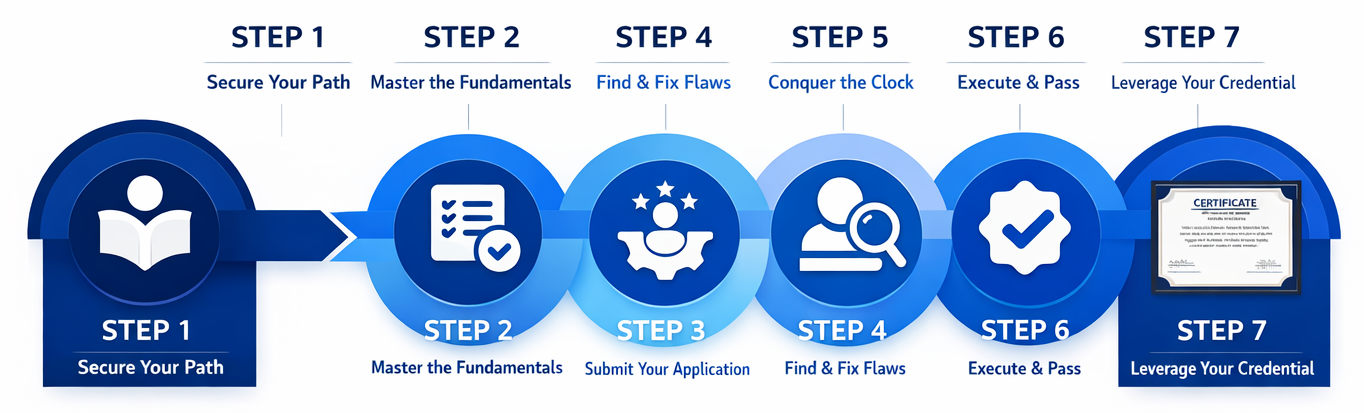
The enrollment process for the PMP course is easy and can be done in the following steps:
To schedule your PMP exam after training, first complete and get your application approved on the PMI® website. After approval, pay the exam fee, then schedule your exam through Pearson VUE, PMI’s official exam partner. You can choose between an in-person test center or an online proctored exam.
The PMI audit process is a random verification process to ensure the accuracy of information provided in the application. If selected, you must submit documents verifying your education, experience, and training within 90 days to complete the audit before the PMP exam approval.
Yes, we offer live online classes for the PMP certificate. The sessions are conducted by expert instructors and have flexible timings, making them an ideal choice for working professionals.
In PMP Certification course:
Yes, candidates must have a secondary degree with 60 months of project management experience or a four-year degree with 36 months of experience. Additionally, 35 hours of formal project management training are required before applying for the exam.
Yes, the project management professional training follows the latest PMBOK® Guide 7th edition. It covers the updated processes and best practices to prepare you for the PMP exam.
You must meet specific education and experience requirements to qualify for the PMP certification. You can fulfill one of two sets of criteria:
Or
Completing a PMP certification course can help you fulfill the educational requirement.
A PMP certification is valid for three years. After that, you can maintain your certification by earning the required professional development units (PDUs) to ensure your skills are up-to-date with current industry standards. You can earn your PDUs through continuing education from authorized training partners like Centuera and using examples of successful projects. This PMP training course will help you gain up to 35 of the 60 PDUs you need to maintain your certification.
Toturon’s PMP® training course comes with a 100% money-back guarantee. It’s designed to provide learners with the knowledge and skills to pass the PMI-PMP exam on the first attempt. If you don’t pass the PMP exam, we will refund the course fee if you meet the following criteria:
After completing your PMP certification training with Centuera and meeting the PMI eligibility requirements, you can schedule an exam appointment with PMI through your myPMI account. After you submit your request, you will get an email with instructions on testing centers and appointment choices. If you miss the email, log in to the myPMI portal to find the link.
Toturon provides 12 PMP test simulations in the PMP certification course to help you prepare for the official PMI exam. You’ll also get access to cheat sheets, over 500 PMI-related questions, study plans, and expert support for your exam application.
The PMP certification exam consists of 200 multiple-choice questions, 25 of which are pretest questions that do not affect the final score and are used to test the validity of future examination questions.
After completing your PMP certification training with Centuera and meeting the PMI eligibility requirements, you can schedule an exam appointment with PMI through your myPMI account. After you submit your request, you will get an email with instructions on testing centers and appointment choices. If you miss the email, log in to the myPMI portal to find the link.
The Project Management Professional (PMP) certification is a credential that is recognized worldwide and is provided by the Project Management Institute (PMI). It encompasses agile, predictive, and hybrid methodologies, demonstrating your capabilities in project leadership and the management of intricate scenarios. Professionals who hold the PMP certification are regarded as proficient leaders who assist teams in enhancing their efficiency.
Centuera’s PMP certification course comprises:
Masterclasses concentrating on the utilization of GenAI in project management
After earning the Project Management Professional (PMP) certification from the Project Management Institute (PMI), you gain strong career opportunities in both the USA and India.
🇺🇸 USA – Career Options
Common Roles:
Top Industries: IT, Healthcare, Finance, Construction, Government
Salary Range: ~$90,000 to $130,000+ per year (higher with experience)
🇮🇳 India – Career Options
Common Roles:
Top Industries: IT Services, BFSI, Infrastructure, Manufacturing
Salary Range: ₹8 LPA to ₹40+ LPA (depends on experience & city)
Career Benefits in Both Countries
You will develop the competencies to plan, execute, and complete projects efficiently using agile, predictive, and hybrid methodologies. The course will enhance your skills in risk management, stakeholder communication, resource allocation, cost control, and leadership, preparing you to lead projects confidently and successfully pass the PMP exam.
The salary of a PMP-certified professional in India is influenced by various factors including location, experience, company, and industry. Typically, PMP-certified professionals receive higher salaries than their non-certified peers. Below is the salary distribution based on experience level:
| Experience Level | Average Salary (₹ per year) |
| Entry-Level (0–2 yrs) | 6–8 LPA |
| Mid-Level (3–6 yrs) | 9–14 LPA |
| Senior-Level (7–12 yrs) | 15–22 LPA |
| Executive-Level (12+ yrs) | 22–35+ LPA |
With a PMP certificate in India, you can pursue employment in various sectors such as IT, construction, finance, healthcare, and consulting. Typical positions include:
You will acquire the skills to plan, execute, and finalize projects effectively using agile, predictive, and hybrid methodologies. The course enhances your abilities in risk management, stakeholder communication, resource allocation, cost control, and leadership, equipping you to lead projects with confidence and successfully pass the PMP exam.
Yes, you are permitted to retake the PMP exam if you do not succeed on your initial attempt. PMI allows a one-year eligibility window during which you can attempt the exam up to three times, with a fee applicable for each retake.
No, the fee for the PMP certification exam is not included in the course fee. You are required to pay it separately to the Project Management Institute (PMI)® when you apply for the exam.
Yes, the Project Management Professional course is open to both beginners and seasoned professionals. However, it is essential to meet PMI’s experience and eligibility requirements to apply for the exam.
Yes, Toturon Learning Hub+ offers corporate training for PMP certification in India. Our programs are designed for teams or entire organizations, featuring flexible formats and customized content to assist professionals in enhancing their project management skills.
The PMP certificate remains valid for three years. To renew it, certified individuals must accumulate 60 Professional Development Units (PDUs) during this timeframe through activities such as training, webinars, and volunteering related to project management.
Yes, you are able to enroll in the PMP training without any prior project management experience. However, to be eligible for the PMP exam, you must fulfill PMI’s eligibility criteria.
The PMP course generally requires approximately 4 to 6 weeks for completion, contingent upon your learning speed and work commitments.
Our dedicated team is available to address your inquiries via email, chat, phone calls, and community forums. On-demand assistance is provided to support you throughout the PMP® Certification Training. Upon completing the PMP® Certification Training, you will receive lifelong access to our community forum.
Upon achieving PMP certification, you may be eligible for a variety of positions, such as project manager, program manager, portfolio manager, PMO lead, and others. Centuera’s Project Management Professional certification training equips you with the skills and experience necessary to qualify for these positions.
The PMP certification delivers extensive knowledge of project management principles, empowering professionals with the insights, techniques, and tools needed to address real-world project challenges. Globally recognized, PMP is regarded as the gold standard for career advancement in project management. Earning a Project Management Professional certification unlocks new opportunities and career progression across various industries.
Our trainers are seasoned project management professionals and industry specialists with over a decade of pertinent experience in teaching the PMP certification course. Each trainer undergoes a stringent selection process that includes profile assessment, technical evaluation, and a PMP certification demonstration before being authorized to train for us. We also ensure that only trainers with high alumni ratings are permitted to continue training for us.
After completing the PMP exam training, you are granted a one-year eligibility window to pass the examination. You are permitted to take the PMP certification exam up to three times during this eligibility period. Should you fail the examination three times within your eligibility timeframe, you will need to wait one year from the date of your last examination before you can reapply for the certification. Nevertheless, you are allowed to apply for any other PMI certifications after failing a certification examination three times. When seeking revaluation, you may submit a written request to the PMI® certification department for a review of their decision.
No, the PMP certification exam fees are not encompassed within our PMP certification course. You are required to pay the exam fee directly to the Project Management Institute (PMI)® in order to take the exam. Should you require any assistance in completing the application form, please feel free to contact us via phone or chat.
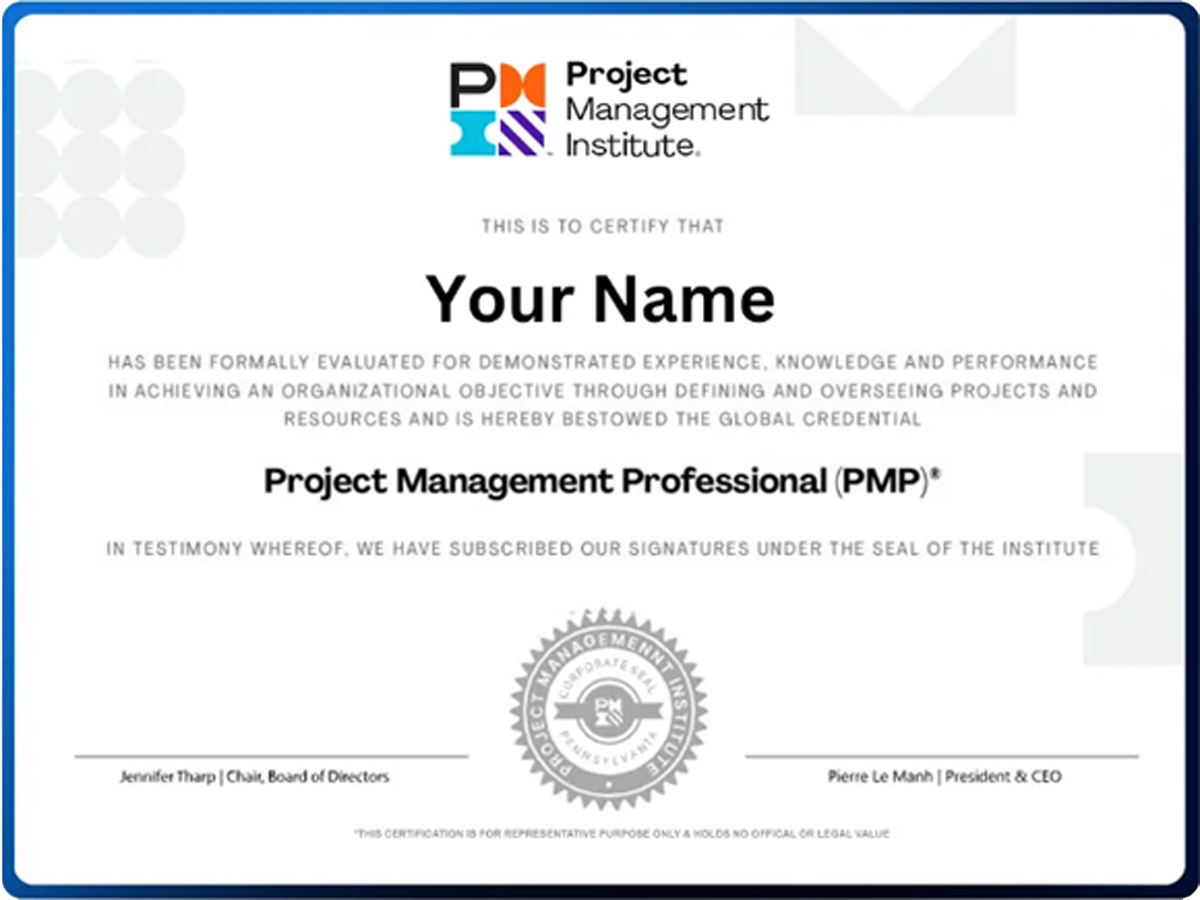
Upon successfully passing the PMP certification exam, you will receive your certificate package within a timeframe of six to eight weeks. Additionally, you will be issued a digital badge through Credly, which you can share on social media to celebrate your accomplishment.


.svg.png)


.svg.png)